
A commercial roof inspection is a close look at your building’s roof, inside and out, to find leaks, weak spots and drainage problems before they turn into bigger repairs. The roofer starts inside, looking for water and where it gets in, then walks the roof, looks for clogged gutters and downspouts, checks for hidden moisture, takes samples when needed and gives you the findings in a written report. Plan on at least one inspection a year. Martin Exteriors has been roofing since 2006 and offers a free commercial roofing inspection. Call (815) 624-6278. Calls are answered 24/7.
Commercial roof inspections are usually no-obligation checkups that save time and money for both commercial roofers and business owners. During such a checkup, the roofer will check whether the roof poses a risk to people and the property and address minor roof problems and weak spots that may become prone to leaks and corrosion.
Here is what to expect during that process.
The Inspection Starts from the Inside
Contrary to what you might have expected, a commercial roof inspection starts from the inside of the building. The roofer will first start looking for water leaks and their point of entry. Estimating where the water is entering your building makes it easier to assess the situation on the roof.
Walking the Roof
After the roofer has inspected the inside of the building, they will move on to the roof to check for holes, cracks, ponding water, uplifted materials, etc. The walk starts from the sides of the building that have a higher chance of having problems and finishes in the middle of the roof.
Cleaning Debris in the Gutters and Downspouts
To be able to check the whole roof properly, the roofer will have to clean the debris that might have piled up on the roof and in the roof’s drainage system. Commercial roofing inspectors note a significant amount of drainage issues, such as leaks and congestion, which should be addressed before they create structural damage to the roof and the whole building.
Checking for Hidden Moisture
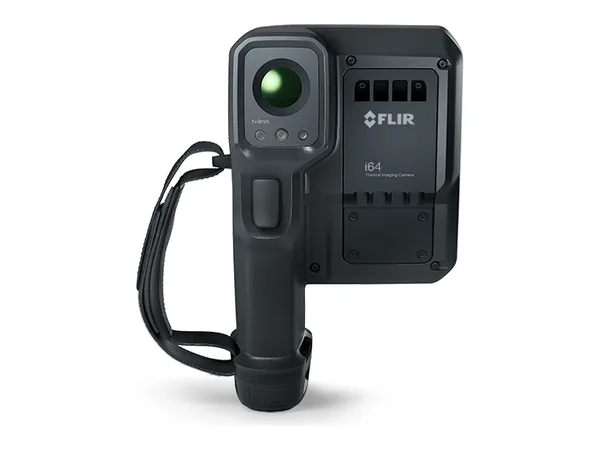
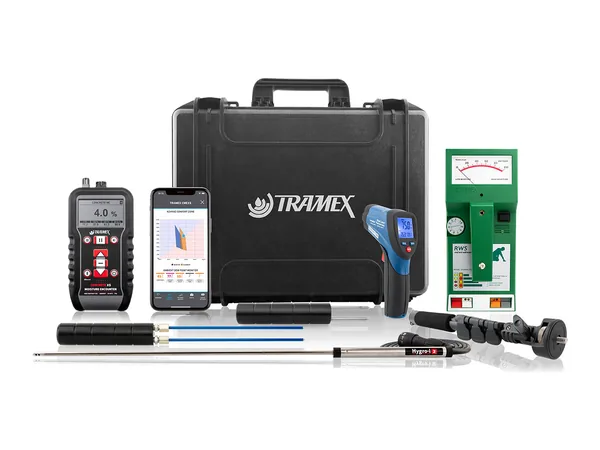
Water can get under a flat roof membrane and soak the insulation without showing on the surface. At Martin Exteriors, when we suspect trapped moisture, we use a Teledyne FLIR i64 thermal camera and a Tramex Roofing Inspector Kit. The FLIR i64 takes 640 × 480 thermal images, and that finer detail makes small temperature differences easier to spot. Wet insulation holds heat differently than dry insulation, so those differences point us to spots worth a closer look, and the Tramex moisture meter checks them without cutting into the roof. That can help narrow down where a core sample is needed.
The thermal images, photos and moisture readings go into your report, which also helps document storm damage for an insurance claim. A thermal image can’t show hail hits on its own, so we still check storm damage by hand and photograph it up close.
Mule-Hide Certified, Warranty Eligible Contractor
Martin Exteriors is Mule-Hide certified as a Warranty Eligible Contractor for EPDM and heat-welded TPO and PVC roof systems. Mule-Hide reviews a contractor’s work and training before granting eligibility, and only eligible contractors can register Mule-Hide system warranties on commercial roofs. That means your flat or low slope roof can be backed by both our workmanship and Mule-Hide’s system warranty.
Mule-Hide Warranty Eligible Contractor for EPDM, TPO and PVC
EPDM
A rubber membrane for low slope roofs. Mule-Hide says EPDM resists hail, UV rays, ozone, extreme temperatures and foot traffic.
Source: mulehide.comTPO
A white reflective membrane. Mule-Hide says TPO protects against UV rays, extreme temperatures, rain, snow and fire, and helps lower rooftop and indoor temperatures.
Source: mulehide.comPVC
Mule-Hide calls PVC the toughest single ply option, resistant to punctures, fire and UV rays, and a top choice where a roof is exposed to grease, oil or chemicals.
Source: mulehide.comMule-Hide system warranties are available on the commercial roofs we install, once Mule-Hide approves the warranty application. Call (815) 624-6278 to talk through your roof.
Our certifications


 Warranty Eligible Contractor


 Warranty Eligible Contractor




GAF Master Elite is a registered certification mark of GAF. Contractors enrolled in GAF certification programs are not employees or agents of GAF, and GAF does not control or otherwise supervise these independent businesses. Contractors may receive benefits, such as loyalty rewards points and discounts on marketing tools from GAF for participating in the program.
Taking Samples
Your roofer might also take a core sample of your roof system to see what type of material it’s made out of. The sample will also show the level of saturation and moisture, as well as the age of the roof; older roofs might be suggested for roof replacement. The area where the sample had been taken will be immediately repaired not to cause additional problems.
Final Report Documented in Writing
The inspection report will include suggestions for any repairs, rework, or replacement required, a list and photos of the problems and damage found, and a schedule for follow-up work. It is best for you to go through the report with the contractor to see how long the suggested work will last and always ask for the price estimate of each segment of the work.
If the report shows the membrane is near the end of its life, see our page on TPO roofing and flat roof replacement.
Schedule a Commercial Roof Inspection Once a Year
Commercial roof inspections need to be scheduled at least once a year. However, if you feel like there is a possibility that your roof has issues and poses a risk to the occupants, you should schedule the inspection right away.
Martin Exteriors offers a free commercial roofing inspection and maintains the highest industry standards when conducting roofing work. We are your number one commercial roofing contractor in Illinois that will fully protect you and your property, so contact us today!
